Table of Contents
The key benefits of the polynucleotide include stimulating collagen synthesis, enhancing skin elasticity, repairing damaged tissues, and eliminating dark circles under the eyes through cellular regeneration.
This treatment is becoming more popular because it helps improve ageing skin by repairing and renewing skin cells instead of just hiding skin concerns. In contrast to fillers that provide volume to the skin, polynucleotide concentrates focus on the skin's health, hydration, and condition.
This guide covers how the treatment works, who qualifies, what results to expect, and how it compares with other regenerative options.
What Are Polynucleotides?
Polynucleotides are short chains of nucleotides, the natural building blocks that form DNA. The polynucleotides used in aesthetic medicine are derived from purified fragments of salmon DNA, which are highly similar to human DNA.
These components work when introduced into the dermal layer to stimulate natural healing. These do not function as fillers but rather stimulate the skin cells to increase collagen and elastin production.
Key Characteristics
- Biocompatible with human skin
- Water-based and thin in consistency
- Function as a regenerative skin booster
- Stimulate cellular repair, not volume replacement
What Are the Main Benefits of Polynucleotides?
The therapy provides an array of structural and aesthetic enhancements. Listed below are the most clinically significant polynucleotide skin benefits.
1. Increases Collagen and Elastin Production
Polynucleotides stimulate fibroblast activity, improving dermal structure. It overcomes the visibility of wrinkles, fine lines, and sagging skin.
2. Aids Skin Repair
This treatment helps speed up skin cell recovery. It can help to treat skin damage, such as acne scars and post-inflammatory hyperpigmentation.
3. Improves Skin Elasticity
Studies show polynucleotides can increase skin elasticity by an average of 22 per cent within weeks of treatment. The result is firmer, more resilient skin.
4. Reduces Under-Eye Dark Circles
Clinical results indicate under-eye brightness improves by over 32 per cent within four weeks of treatment. The therapy reduces pigmentation and discolouration in the periorbital area.
5. Increases Hydration
These polynucleotides trigger increased hyaluronic acid production, which hydrates the skin from within.
6. Protection against Free Radicals
These molecules contain antioxidants that protect the skin from damage by free radicals, which cause premature skin ageing.
7. Increases Cell Turnover
Faster cell turnover leads to fresher, smoother skin and a more even complexion. These combined advantages of polynucleotides make the therapy a strong option for long-term skin health rather than short-term correction.

Tired Of Looking Drained Because Of Stubborn Dark Circles?
A bespoke, doctor-led plan can refresh tired eyes through cellular renewal, not quick fixes.
- Doctor-led assessment
- Premium-grade polynucleotides
- Tailored treatment course
What Concerns Can Polynucleotides Treat?
Polynucleotide therapy treats a wide range of skin concerns, particularly those linked to ageing, texture, and pigmentation. Suitable concerns include:
- Fine lines and wrinkles
- Skin laxity
- Crepey skin texture
- Under-eye dark circles
- Under-eye bags
- Fine lines around the eyes
- Acne scarring
- Mild pigmentation
The treatment also helps individuals with dry, dehydrated, or sensitive skin, for whom stronger options may not be suitable.
Where on the Body Can Polynucleotides Be Used?
Doctors can safely use this treatment on different areas of the face and body:
- Face: Smooths crepey skin, softens fine lines, and firms the skin for a lifted appearance. Also improves age spots, pigmentation, and acne scarring.
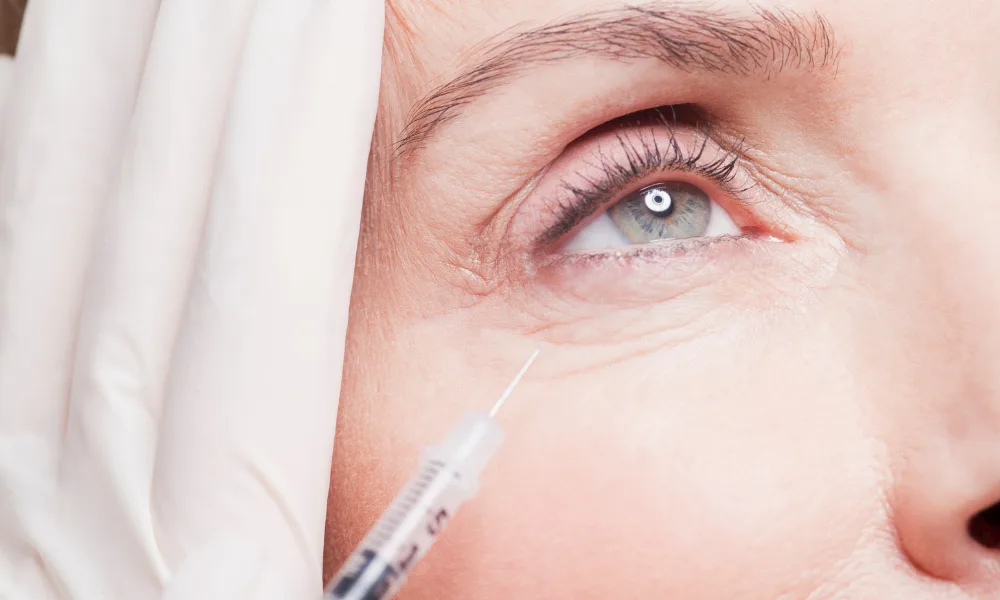
- Eyes: Diminishes dark circles and addresses crow's feet, fine lines, and puffiness around the eyes.
- Neck and Décolletage: Targets fine lines and crepey skin texture for a smoother, more youthful neck.
- Hands: Improves crepey skin texture and fine lines, leaving hands smoother, younger-looking.
If you wonder how to refresh tired-looking eyes, a structured course of regenerative injections often delivers more natural results than traditional fillers. Learn more about our polynucleotide treatment.
How Do Polynucleotide Treatments Work?
Polynucleotides activate the skin's natural healing process. Once injected into the dermal layers, they:
- Stimulate fibroblast cells to produce collagen and elastin.
- Regenerate damaged skin cells rather than replace them.
- Increase hyaluronic acid production for intensive moisture.
- Decreases inflammation, helping to calm acne-prone and sensitive skin.
- Promote cell turnover for smoother skin.
The treatment works gradually. First visible improvements typically appear around two to three weeks after the initial session, with full results visible at approximately twelve weeks.
Who Is a Suitable Candidate?
Polynucleotide therapy suits most skin types. However, certain groups should avoid this treatment.
Suitable Candidates Include
- Adults looking for slow and subtle results
- People with fine lines, under-eye darkness, or loose skin
- Individuals with dry, dehydrated, or sensitive skin
- People who wish not to have an overfilled appearance from fillers
Not Suitable For
- Pregnant or breastfeeding women
- Individuals with a fish or salmon allergy
- People following a strict vegan lifestyle (the product is animal-derived)
- Those with active skin infections
A medical consultation determines individual suitability based on skin assessment and history.
Want A Treatment That Works With Your Skin, Not Against It?
Polynucleotides support cellular regeneration, resulting in natural-looking, long-lasting outcomes.
Treatment Procedure: What to Expect
The procedure is straightforward and methodical.
| Duration | Roughly 30 minutes |
| Level of pain | Moderately painful, numbing cream applied |
| Tools needed | Fine gauge needle or cannula |
| Environment | A clinic environment, supervised by a doctor |
Compared to other injections, it has a somewhat “stingy” effect, though the numbing cream makes it quite easy to tolerate.
Recovery and Downtime
Polynucleotide therapy involves minimal downtime. Recovery depends on the technique used.
- Cannula method: Swelling or redness for 12 to 24 hours
- Needle method: Small bumps (or blebs) where the injections occurred, which usually disappear in two to three days
Patients normally resume their usual activities shortly after treatment. Patients should refrain from exercising, exposure to heat, and the use of skincare products for 24 to 48 hours.
How Many Sessions Are Needed?
You can achieve the best results by following a proper treatment plan rather than relying on a single session.
| Duration of first course | 3 to 4 sessions, spaced 3 to 4 weeks apart |
| Maintenance | 1 maintenance session every 9 to 12 months |
| Appearance of first effects | 2 to 3 weeks after the first session |
| Achieving full effect | 12 weeks after commencing the course |
Skipping a session or prolonging the period decreases regeneration results.
How Long Do Results Last?
The results from a full treatment course usually last for nine to twelve months. Several factors determine the duration:
- Metabolism of the individual
- Lifestyle and stress levels
- Nutrition and hydration
- Exposure to sunlight
- Skin care regimen
- Tobacco and alcohol consumption
An annual maintenance treatment can ensure that the results last longer.
Risks and Considerations
While polynucleotides have a strong safety profile, all injectable treatments carry potential risks. Patients should be aware of:
- Slight inflammation, redness, or bruising at the site of injection
- Temporary pain for 24 to 48 hours
- Small blisters (with needle technique), persisting up to three days
- Allergic reaction, but very uncommon in patients with fish allergy
- Infections, if appropriate after-injection procedures are not followed
The selection of a professionally licensed practitioner substantially lowers these potential hazards. Polynucleotides cannot be self-applied.
Conclusion
Benefits of using polynucleotides include stimulation of collagen and elastin, improved skin elasticity, enhanced tissue healing, reduced under-eye darkness, and skin health preservation. This therapy affects the body at the cellular level rather than externally, which makes it a clinically recognised procedure that provides natural results.
The results depend on choosing the right patient, using good-quality polynucleotides, and the skill of the doctor giving the treatment. Injections of polynucleotides into sensitive areas, such as the under-eye area, require medical expertise.
If you would like to explore whether this treatment suits your skin, consult the medically qualified team at The Skin Firm for a personalised assessment with Dr Naren.
Start Your Journey
Book Your Free Consultation Today
Frequently Asked Questions
Is polynucleotide treatment safe?
Yes. Polynucleotides come from purified salmon DNA fragments and support the body's natural repair processes.
When will I see results?
First signs of improvement appear around 2 to 3 weeks after the initial session. Full results become visible at approximately 12 weeks.
How many sessions are required?
A course of 3 to 4 sessions, spaced 3 to 4 weeks apart, is the standard protocol. A maintenance session is then recommended every 9 to 12 months.
How long do results last?
The results usually last 9 to 12 months, depending on your lifestyle, metabolism, and skincare routine.
Who should avoid polynucleotide therapy?
Pregnant and breastfeeding women, individuals with a fish allergy, and those following a vegan lifestyle should not undergo this treatment.